
Why Japan? –––––––––––––
RURAL TOURISM IN JAPAN
Rural Tourism in Japan Showcasing Authentic Countryside Life and Traditions
Japan’s countryside, often referred to as inaka, represents one of the most significant and underexplored segments of Rural Tourism Japan. Supported by government initiatives, renewed local pride, and a growing global interest in slow and meaningful travel, rural regions offer experiences where authenticity is lived through everyday life rather than curated for visitors.
Far from major urban centers, rural tourism in Japan reveals a deeper connection to place, people, and tradition—where travel becomes an exchange grounded in time, trust, and continuity.
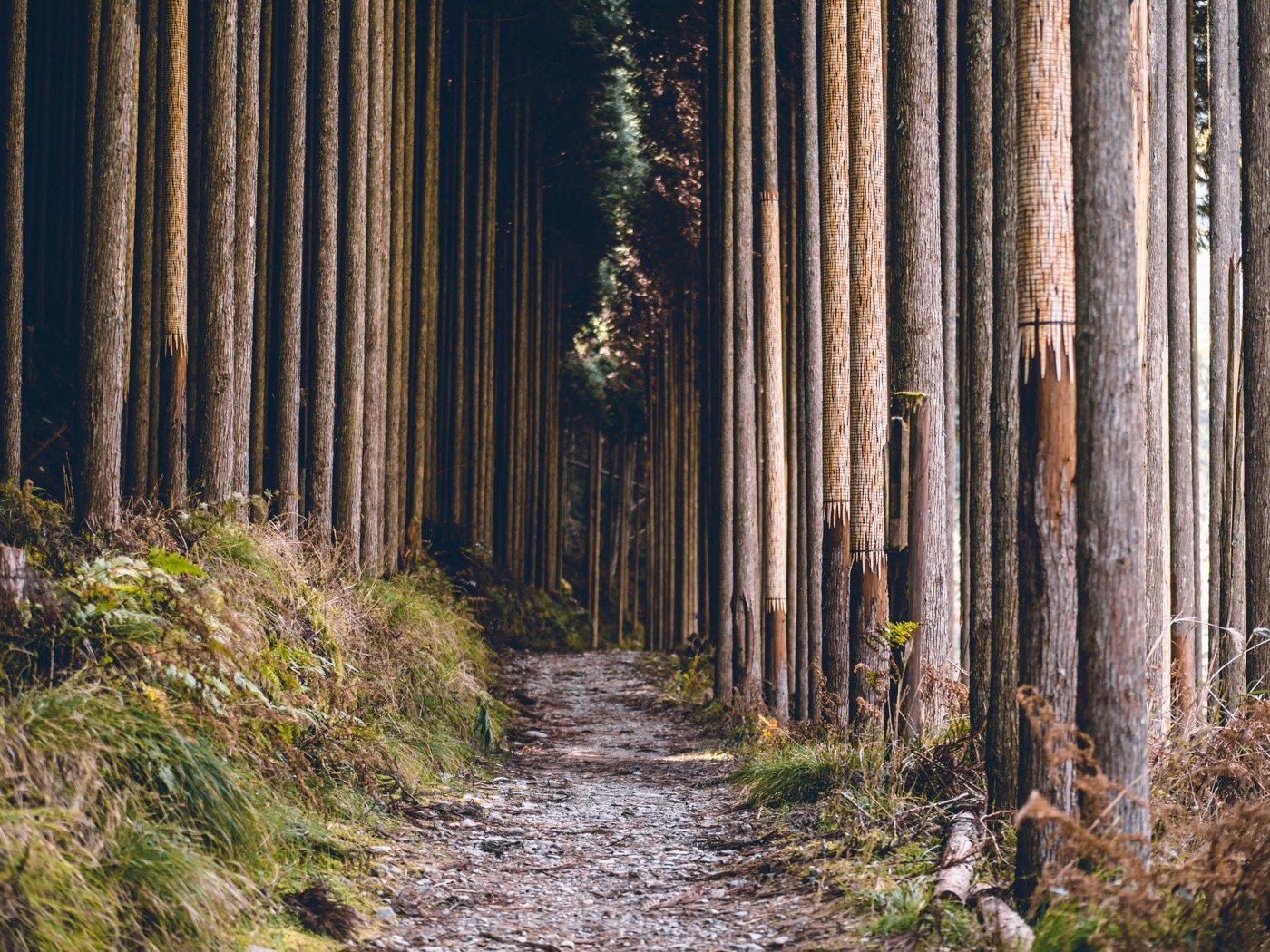
Artisanship –––––––––––
Beyond the cities, rural tourism in Japan provides access to living craft traditions preserved by master artisans, many recognized as Living National Treasures. In villages and small towns, travelers can meet craftspeople in their workshops, observe their techniques, and participate in hands-on experiences such as pottery, lacquerware, indigo dyeing, or sword-making.
These encounters are personal, rare, and often unavailable through mass tourism, offering insight into the philosophy, discipline, and generational pride that sustain Japan’s intangible cultural heritage.
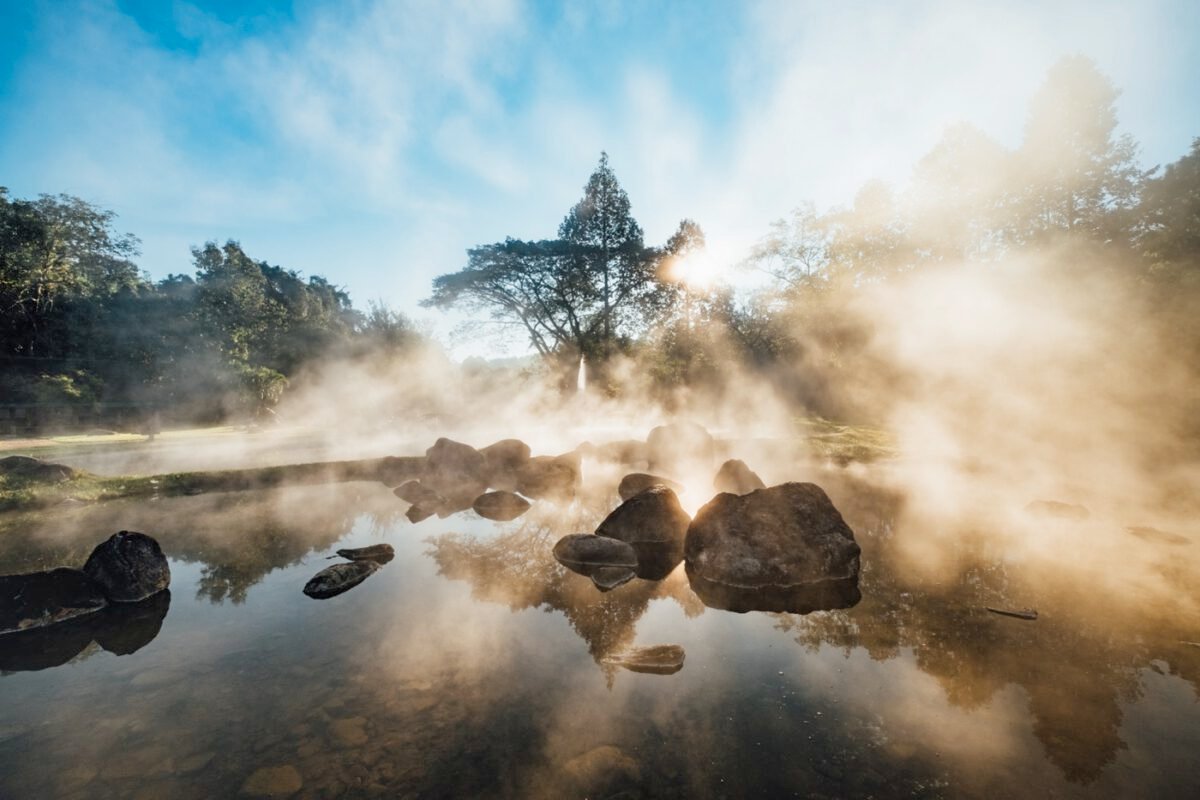
––––––– Hot springs “Onsen”
Rural tourism in Japan offers a more intimate and community-driven onsen experience. Family-run minshuku and local bathhouses welcome guests into daily life, combining warm hospitality, shared meals, and genuine interaction with hosts and residents.
Often operating for generations, these establishments allow travelers to bathe in open-air tubs overlooking rice fields, enjoy home-cooked cuisine made from local ingredients, and experience Japanese customs through simple, authentic moments.
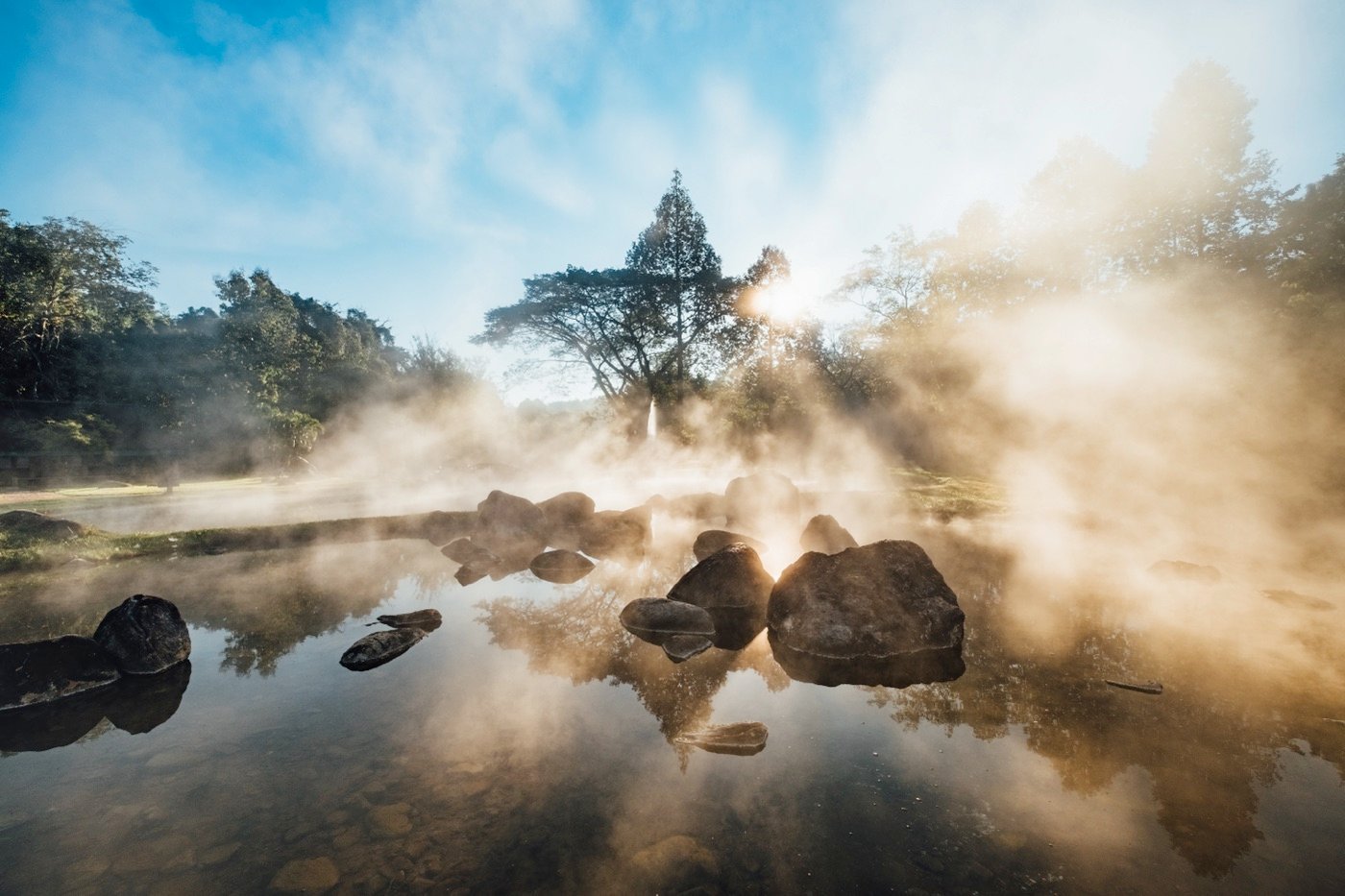
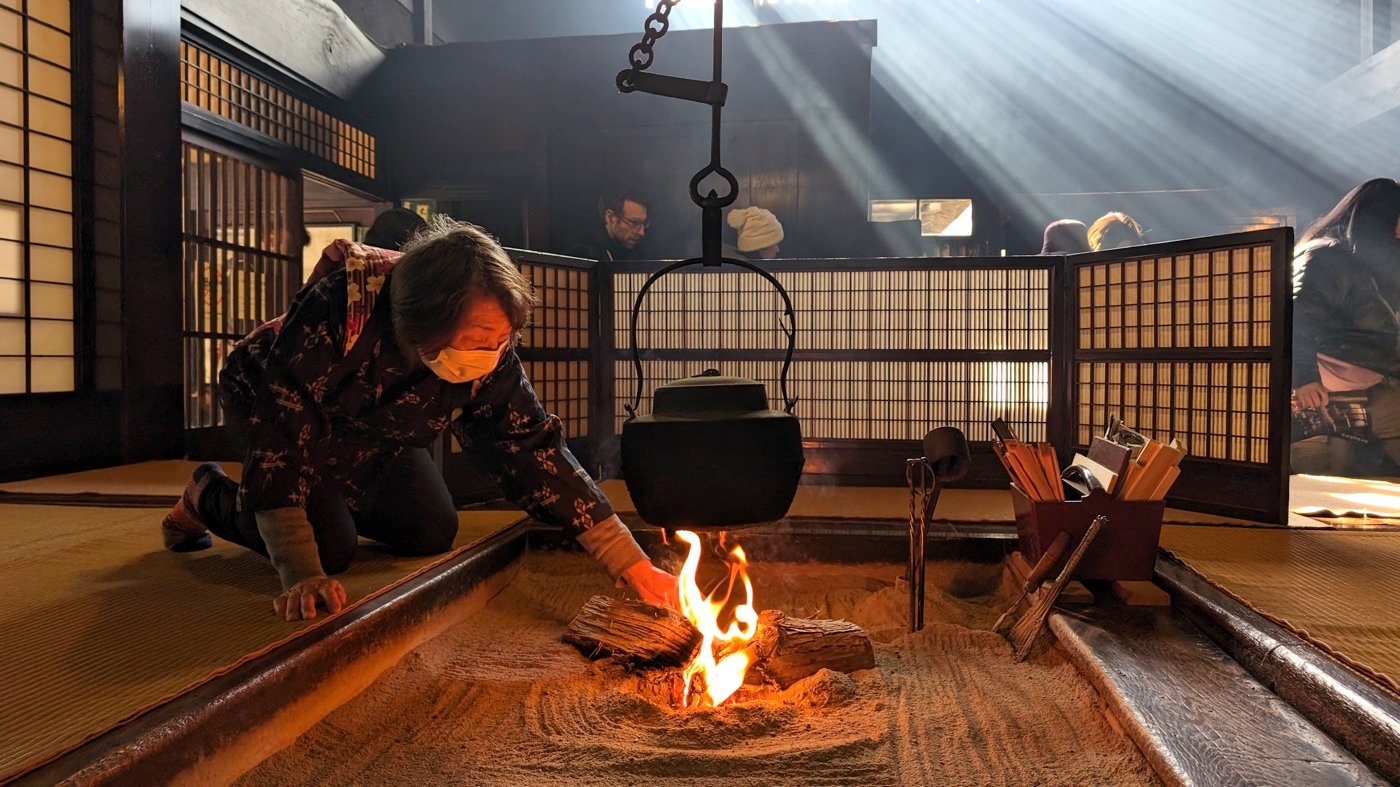
Heritage ––––––––––––––––––––
Japan’s rural regions are guardians of traditions that have largely disappeared from urban life. Thatched-roof farmhouses, Edo-period merchant towns, ancestral shrines, and preserved samurai districts provide immersive access to living history.
Visitors can take part in seasonal rituals, observe local ceremonies, or witness craftsmanship passed down through generations. In rural tourism Japan, heritage is not staged—it is shared as part of everyday community life.
––––– Festival “Matsuri”
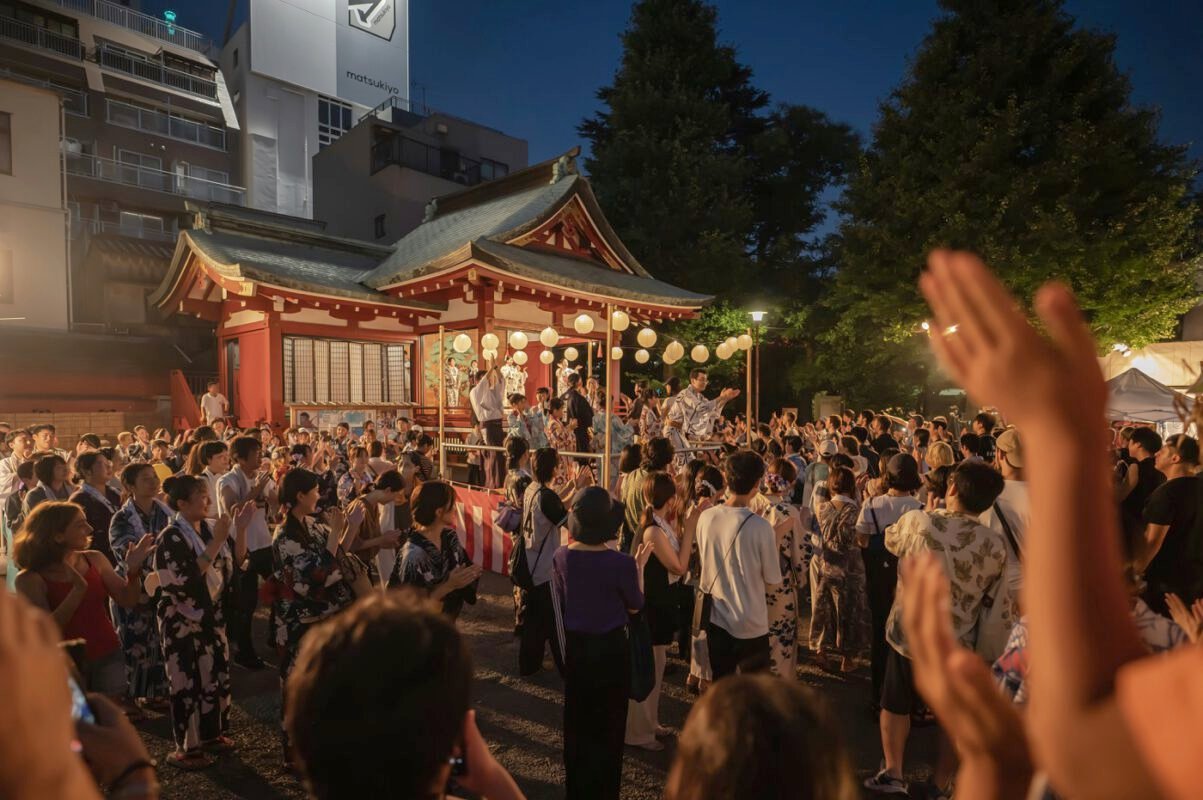
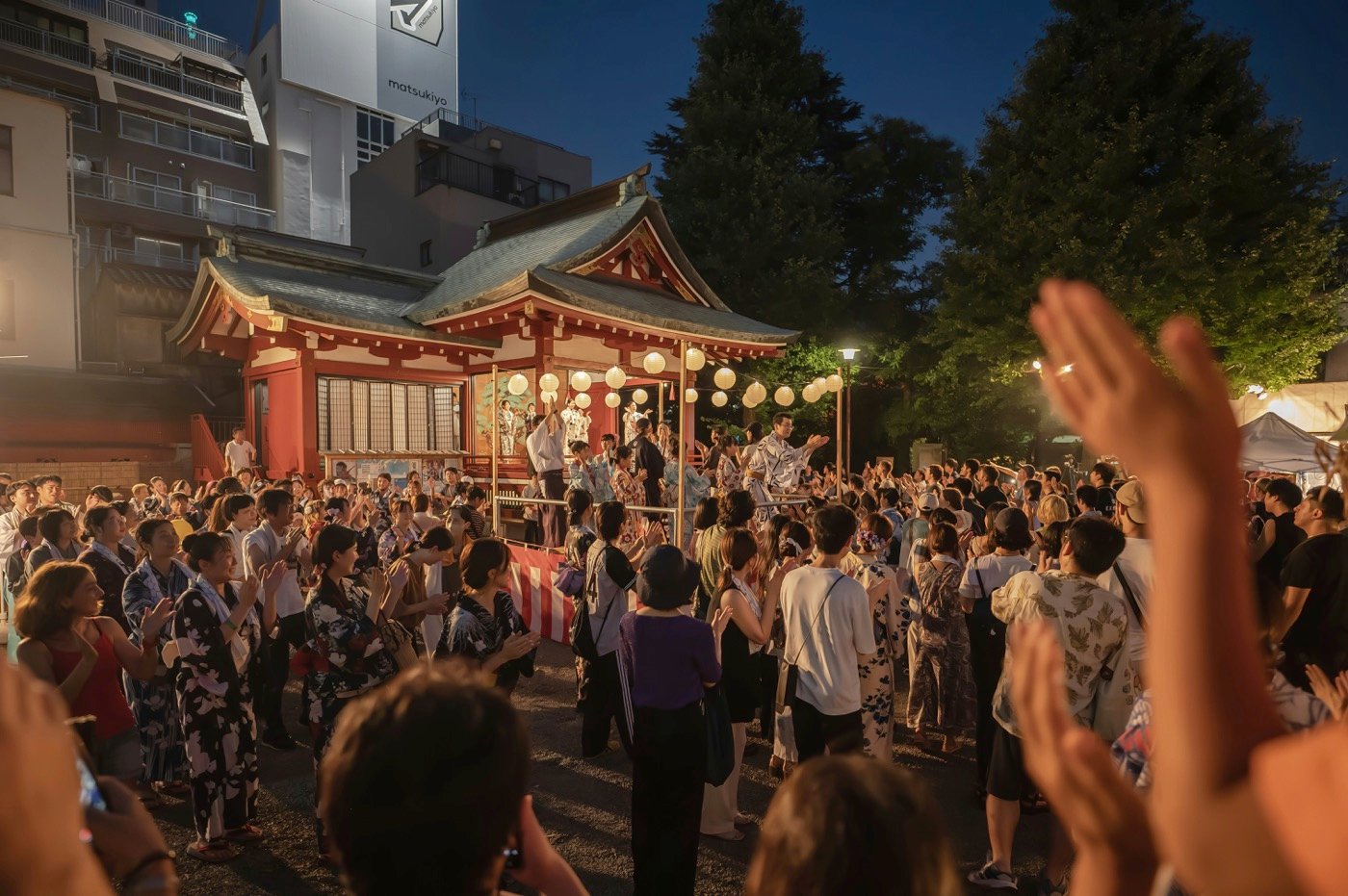
With more than 300,000 festivals held annually across the country, rural matsuri play a central role in rural tourism in Japan. Unlike large urban events, countryside festivals often invite visitors to participate directly rather than remain spectators.
Carrying portable shrines, joining lantern-making workshops, or dancing in local processions creates strong emotional connections and reveals the communal spirit that defines rural Japan, shaped by seasonal rhythms and collective memory.